
Identifying Lead Water Pipes in Old Ottawa Homes
There is an undeniable charm to living in historic neighborhoods. From the beautiful red-brick architecture to the mature, tree-lined streets, homes in areas like The Glebe and Westboro offer a unique character that modern builds simply cannot replicate. However, beneath the surface of these beautiful properties, aging infrastructure can present hidden challenges for homeowners. One of the most pressing concerns in these older communities is the presence of lead water service pipes.
If your home was built before the 1950s, there is a significant chance that the original plumbing connecting your house to the municipal water supply was made of lead. While the city has modernized its main infrastructure, the private portion of the service line—the pipe running from the property line into your basement—remains the homeowner's responsibility.
Understanding what is behind your walls and under your lawn is a crucial part of responsible homeownership. Upgrading your residential plumbing not only protects your property value but, more importantly, safeguards your family's well-being. In this guide, we will walk you through how to identify these outdated materials, understand the associated risks, and navigate the replacement process with confidence.
How to Tell if You Have Lead Water Pipes
A question we hear frequently from homeowners is whether there are still lead water service pipes in older neighborhoods across the region. The short answer is yes. While newer suburban builds in places like Kanata or Barrhaven utilize modern materials, Old Ottawa properties often retain their original utility connections.
Fortunately, lead water service pipe identification is something you can often initiate yourself before calling in a professional. The water service line typically enters your home in the basement, often protruding from the concrete floor or a foundational wall before connecting to your water meter.
To perform a basic check, you will need a flathead screwdriver or a coin, and a strong magnet. First, locate the pipe just before it reaches the water meter. Lead is a relatively soft, dull grey metal. If you gently scratch the surface of the pipe with your coin or screwdriver, lead will easily reveal a shiny, silver metallic layer underneath. Second, place your magnet against the pipe. Lead is non-magnetic, so if the magnet does not stick, and the pipe scratches easily to reveal a shiny surface, you are likely dealing with lead.
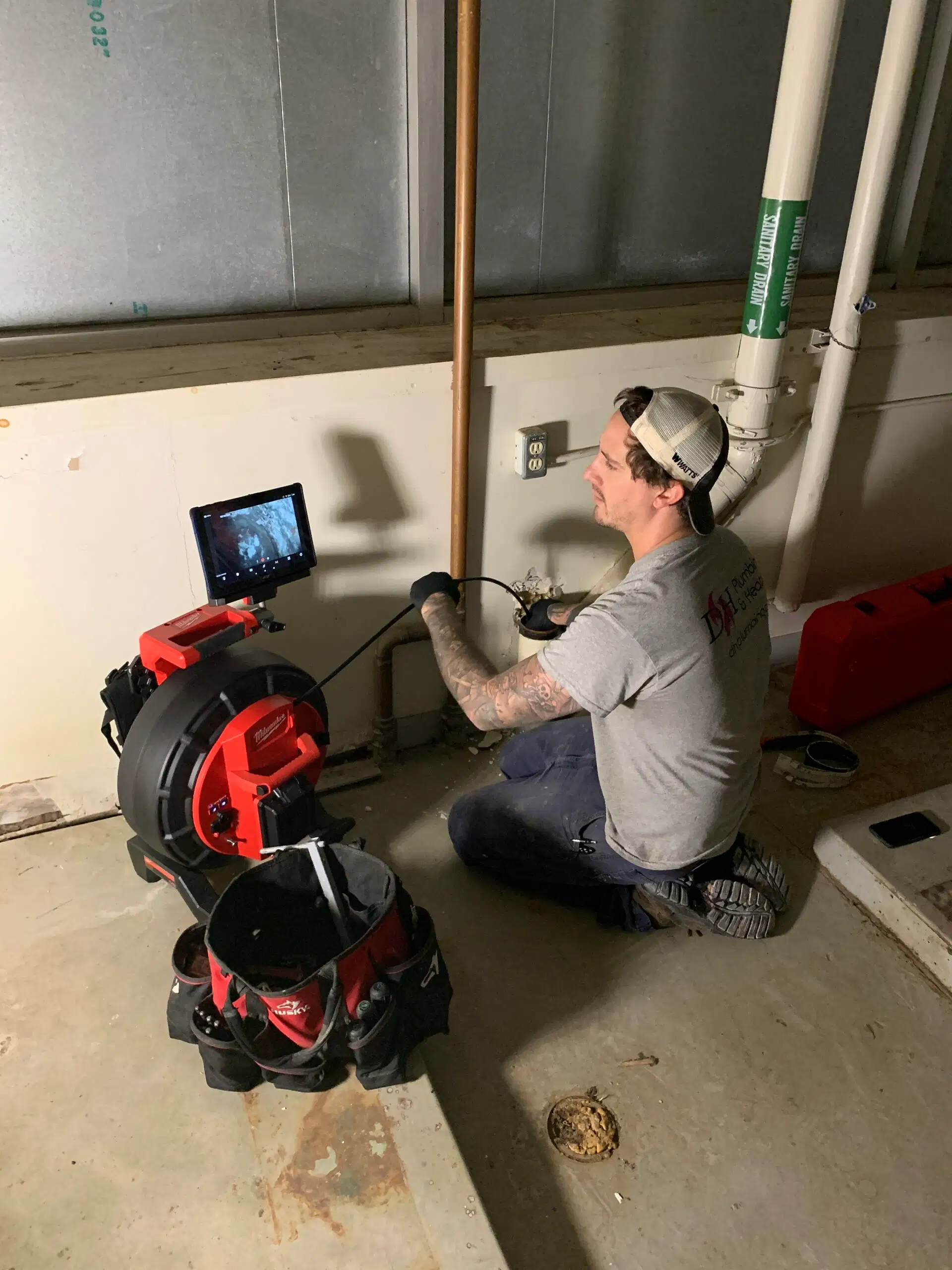
If the pipe is copper-colored, it is copper. If it is grey or black but the magnet sticks to it, it is likely galvanized steel. If you are unsure or uncomfortable performing this check, it is always best to rely on professional plumbing inspections and diagnostics. A licensed technician can accurately assess your entire system, ensuring no outdated materials are compromising your water quality. Additionally, if you suspect lead but cannot access the pipes, testing for lead in tap water through a certified laboratory can provide definitive answers about your water quality.
Understanding the Risks and Municipal Support
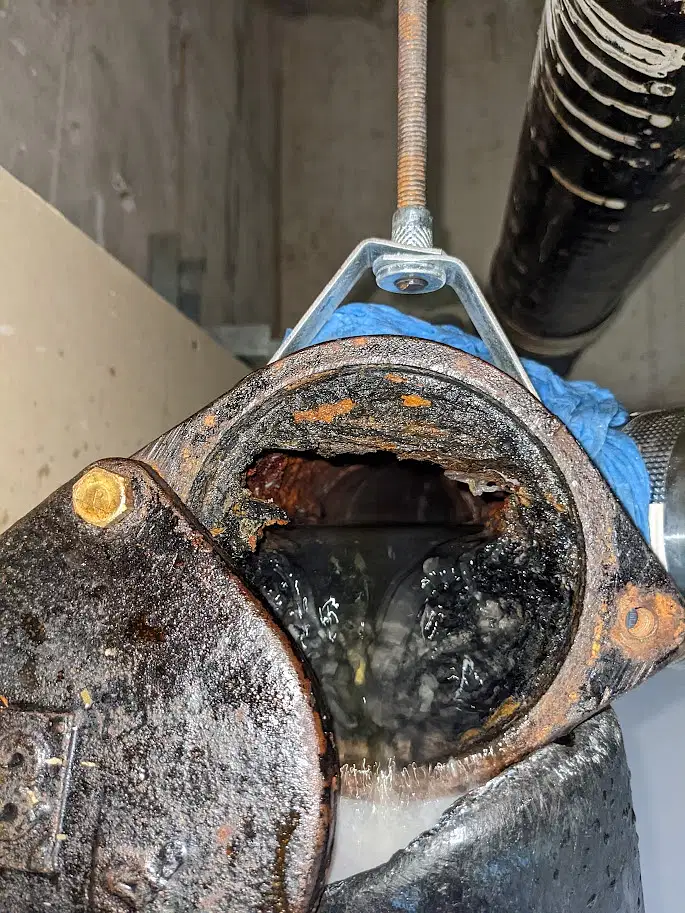
The health risks of lead plumbing are well-documented and should not be ignored. When water sits in lead pipes for extended periods, trace amounts of the metal can leach into your drinking water. This is particularly concerning for households with young children, as lead exposure can impact developmental health. While the municipal water supply is treated to minimize corrosion, the only permanent way to eliminate the risk is to remove the source entirely.
The good news is that you do not have to tackle this burden entirely on your own. There are municipal lead pipe replacement programs designed to assist homeowners in updating their infrastructure. The city often provides rebate programs to help offset the costs of replacing the private portion of the lead service line, especially when they are already upgrading the public portion on your street.
Navigating these programs and planning for a major upgrade can feel overwhelming, especially when budgeting for home improvements. Fluctuating material costs and the fear of hidden fees are common frustrations for homeowners. That is why we believe in complete transparency. When you request a plumbing quote for a major project, we provide clear, upfront pricing. You will know exactly what the investment entails before any work begins, allowing you to make informed decisions without the stress of unexpected charges on your final invoice.
The Pipe Replacement Process: What to Expect
If you have confirmed the presence of lead and are ready to upgrade, you might be wondering what the actual replacement process looks like. We know that inviting contractors into your home requires trust, and we have built our core philosophy on direct owner accountability, unwavering honesty, and exceptional personalized service.
When you hire a plumber for a pipe replacement, the experience should be as seamless and stress-free as possible. With our team, it starts before we even arrive—you will receive a notification when your technician is on the way, ensuring you are never left waiting and wondering.
Upon arrival, our first priority is your home's cleanliness. We establish a clean work area and treat your property with the utmost respect. Our technician will conduct a thorough investigation of your water service line to accurately identify the scope of the project. We will then clearly explain the issue, outline all possible solutions, and provide a transparent, flat-rate price for the recommended work. We only proceed once you have fully approved the proposed solution and cost.
Replacing a main water line is a significant job, but our licensed technicians handle it with precision, adhering strictly to all Ontario building codes. Once the new, safe piping is installed, the entire system is rigorously tested to ensure flawless functionality. Finally, the workspace is meticulously cleaned before our technician departs, leaving you with nothing but safe, reliable water and peace of mind.
If you live in an older Ottawa home and are concerned about your water lines, do not wait for a problem to escalate. Contact DH Plumbing & Heating today to schedule a comprehensive inspection. We are here to provide honest advice, transparent pricing, and the high-quality workmanship your home deserves.