
A Homeowner's Guide to Winterizing Your Plumbing in Ottawa
As the days get shorter and a chill settles over the city, Ottawa residents know what’s coming. Winter here is beautiful, offering scenes like a crisp skate on The Canal, but it also brings freezing temperatures that can wreak havoc on your home’s plumbing. A burst pipe is more than just an inconvenience; it can cause significant water damage and costly repairs. The good news is that with a little preparation, you can protect your home from the harsh realities of a Canadian winter. At DH Plumbing & Heating, we believe in empowering homeowners with the knowledge to prevent disasters. This guide will walk you through the essential steps of winterizing your plumbing, ensuring you can enjoy the season with peace of mind.
Step 1: Secure Your Exterior Plumbing
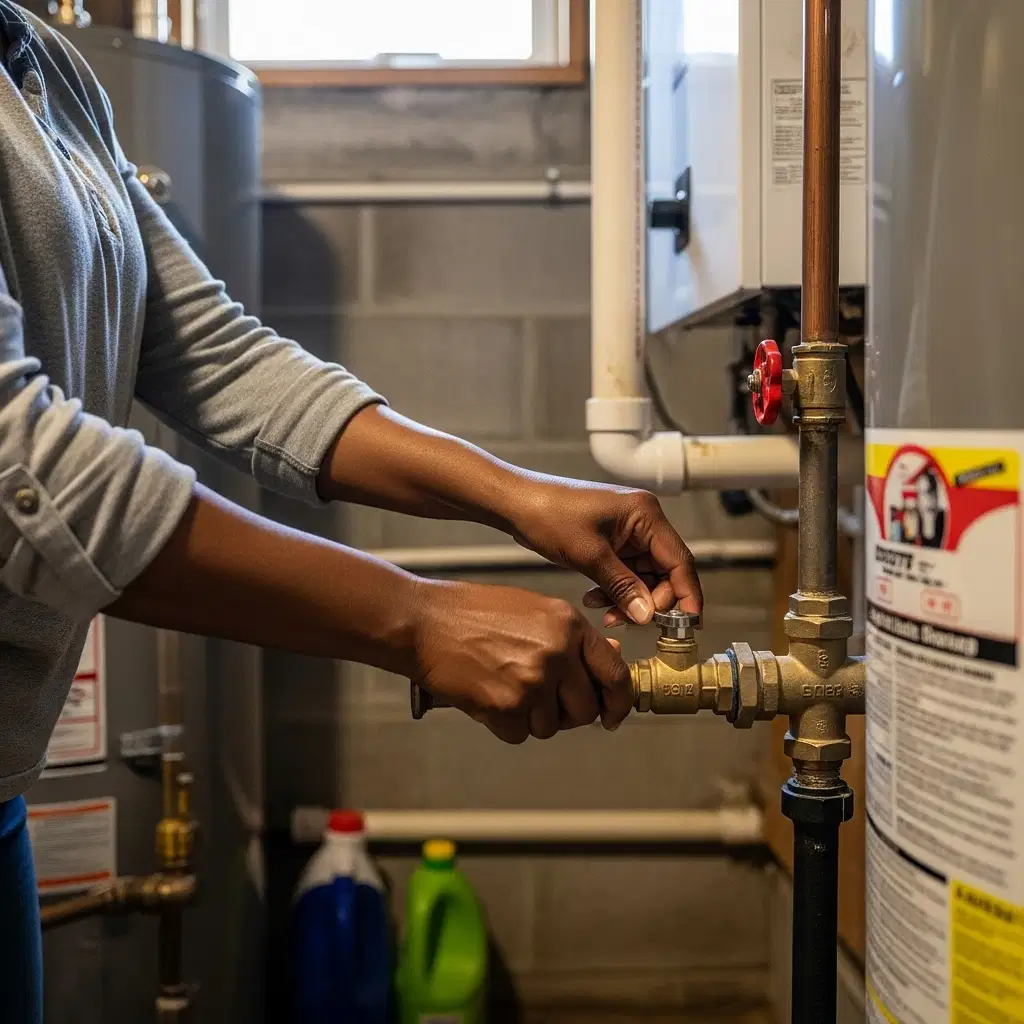
Your outdoor plumbing is the first line of defense and the most vulnerable to freezing temperatures. Before the first deep freeze sets in, it’s crucial to prepare all exterior faucets and pipes. This is one of the most effective steps in preventing frozen pipes.
How to Shut Off Your Outdoor Water Lines:
- Disconnect All Hoses: First, detach all garden hoses, splitters, and nozzles from your outdoor spigots. Drain them completely before storing them in a garage or shed to prevent them from cracking.
- Locate the Shut-off Valve: For each outdoor faucet, there is a corresponding shut-off valve inside your home, usually in the basement, crawl space, or under a sink. It will typically be a small, oval-shaped handle (a gate valve) or a lever-style handle (a ball valve).
- Turn Off the Water: Turn the valve clockwise until it is tightly closed. This stops the flow of water to the outside tap.
- Drain the Faucet: Go back outside and turn the spigot on. Any remaining water trapped in the pipe will drain out. Leave the outdoor spigot open for the winter to allow any residual water to escape if it expands.
Taking these simple steps for your outdoor and seasonal plumbing is a non-negotiable part of home maintenance in our climate. It’s a small task that prevents a massive headache.
Step 2: Insulate and Protect Vulnerable Pipes
Even with the outdoor lines secured, pipes inside your home can still be at risk, especially in unheated or poorly insulated areas. Pipes located in basements, crawl spaces, attics, garages, and along exterior walls are particularly susceptible to freezing.
Key Areas to Inspect and Insulate:
- Exposed Pipes: Look for any water supply lines that are visible in unheated areas. Homes in older Ottawa neighbourhoods can often have plumbing that runs through colder parts of the house.
- Simple Insulation: You can easily insulate these pipes yourself using foam pipe sleeves or fiberglass insulation wraps, which are available at most hardware stores. This simple barrier can make a significant difference.
- Seal Air Leaks: Check for cracks or openings around the foundation or where pipes enter your home. Use caulk or spray foam to seal these gaps and prevent cold air from blowing directly onto your plumbing.
For pipes that are consistently problematic or difficult to access, it may be a sign of a larger issue. In some cases, rerouting the pipe or upgrading to a more modern material might be the best long-term solution. If you have recurring issues with freezing, it might be time to consider a professional inspection or pipe replacement to avoid future emergencies.
Step 3: Know What to Do in an Emergency
Sometimes, despite your best efforts, a pipe can still freeze. Knowing how to react quickly and safely can prevent a frozen pipe from becoming a burst one.
Signs of a Frozen Pipe:
- You turn on a faucet and only a trickle of water—or no water at all—comes out.
- You can see visible frost or condensation on a section of exposed pipe.
- You hear strange gurgling sounds coming from your pipes or walls.
What to Do (and Not Do): If you suspect a pipe is frozen, first shut off the main water supply to your home to prevent flooding if the pipe bursts. If you can safely access the frozen section, you can try to thaw it gently using a hairdryer on a low setting, a heating pad, or by wrapping it in towels soaked in warm water. Never use an open flame, like a blowtorch or propane heater, as this is a serious fire hazard and can damage the pipe.
If you can't locate the frozen pipe, if it's behind a wall, or if you're unsure how to proceed, the safest option is to call a professional. A licensed plumber has the tools and expertise to locate and thaw the pipe safely. Our team is available 24/7 for emergency plumbing services because we know these problems don’t wait for business hours.
Your Partner in Winter Plumbing Protection
Winterizing your home is an essential annual ritual for every homeowner in Ottawa. By taking the time to shut down your outdoor faucets, insulate vulnerable pipes, and knowing who to call in an emergency, you can protect your property and enjoy a worry-free season. At DH Plumbing & Heating, our philosophy is built on trust and providing reliable, honest service to our community.
If you need help preparing your home for winter or find yourself facing an unexpected plumbing issue, don't hesitate to reach out. Contact us today to schedule seasonal maintenance or for any of your residential plumbing needs.