
A Homeowner's Guide to Ottawa’s Spring Thaw: How to Prevent Basement Flooding
The arrival of spring in Ottawa is always a welcome sight. The snowbanks shrink, the days get longer, and we can finally see the grass again. But as the massive amount of snow and ice from our long winter melts, it creates a significant risk for homeowners: water damage. This annual spring thaw puts immense pressure on your home's drainage systems. A little preparation can be the difference between a dry, comfortable basement and a costly, stressful flood. At DH Plumbing & Heating, we believe in empowering homeowners with the knowledge to protect their property. This guide will walk you through the essential steps to safeguard your home, focusing on your sump pump, drainage, and other key preventative measures.
Your First Line of Defense: The Sump Pump
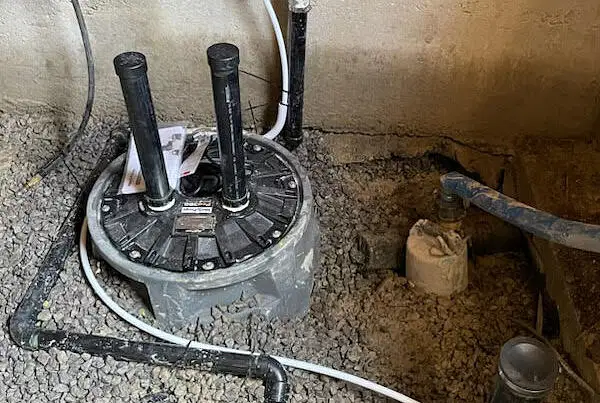
For many homeowners in our region, the sump pump is the unsung hero of the basement. This submersible pump sits in a pit in your basement floor, collecting excess groundwater that would otherwise seep through your foundation. When the water reaches a certain level, the pump automatically activates, discharging the water safely away from your home. But what happens if it fails during a heavy downpour or the peak of the spring thaw?
A malfunctioning sump pump is one of the most common causes of basement flooding. That's why testing it before you need it is crucial.
Here’s a simple pre-thaw checklist for your sump pump:
- Check the Power: Ensure the sump pump is plugged into a working ground fault circuit interrupter (GFCI) outlet. Test the outlet to make sure it has power.
- Clear the Pit: Remove any dirt, gravel, or debris from the sump pit that could clog the pump's intake or interfere with the float switch.
- Perform a Manual Test: Pour a bucket of water into the pit. The pump should turn on, remove the water, and shut off automatically. If it doesn’t, the float switch may be stuck or the pump itself may have an issue.
- Inspect the Discharge Line: Go outside and make sure the discharge pipe is clear of snow, ice, or other obstructions. Ensure it directs water at least 10-20 feet away from your home’s foundation.
If you notice any issues during your test, or if your pump is over 7-10 years old, it's wise to have it professionally inspected. We can diagnose problems, recommend high-efficiency replacement models, and discuss installing a battery backup system—a vital addition that keeps your pump running during a power outage. Learn more about our professional sump pump services.
Beyond the Pump: Drains, Gutters, and Grading
While your sump pump handles groundwater, you also need to manage the surface water from melting snow and rain. A comprehensive approach to water management is key to keeping your basement dry.
- Eavestroughs and Downspouts: Your gutters are designed to channel a massive volume of water from your roof to your downspouts. If they are clogged with leaves, ice, or debris, water will spill over the sides and pool directly against your foundation, creating immense pressure and increasing the likelihood of leaks. Ensure your eavestroughs are clear and that your downspouts extend well away from your home.
- Window Wells: Clear any snow, ice, and debris from your basement window wells. A clogged window well can fill with water, which can then leak through the window frame or even break the glass under pressure.
- Yard Grading: Take a look at the landscaping around your house. The ground should gently slope away from your foundation. If you have low spots where water pools, consider adding soil to build up these areas and encourage water to flow away from your home.
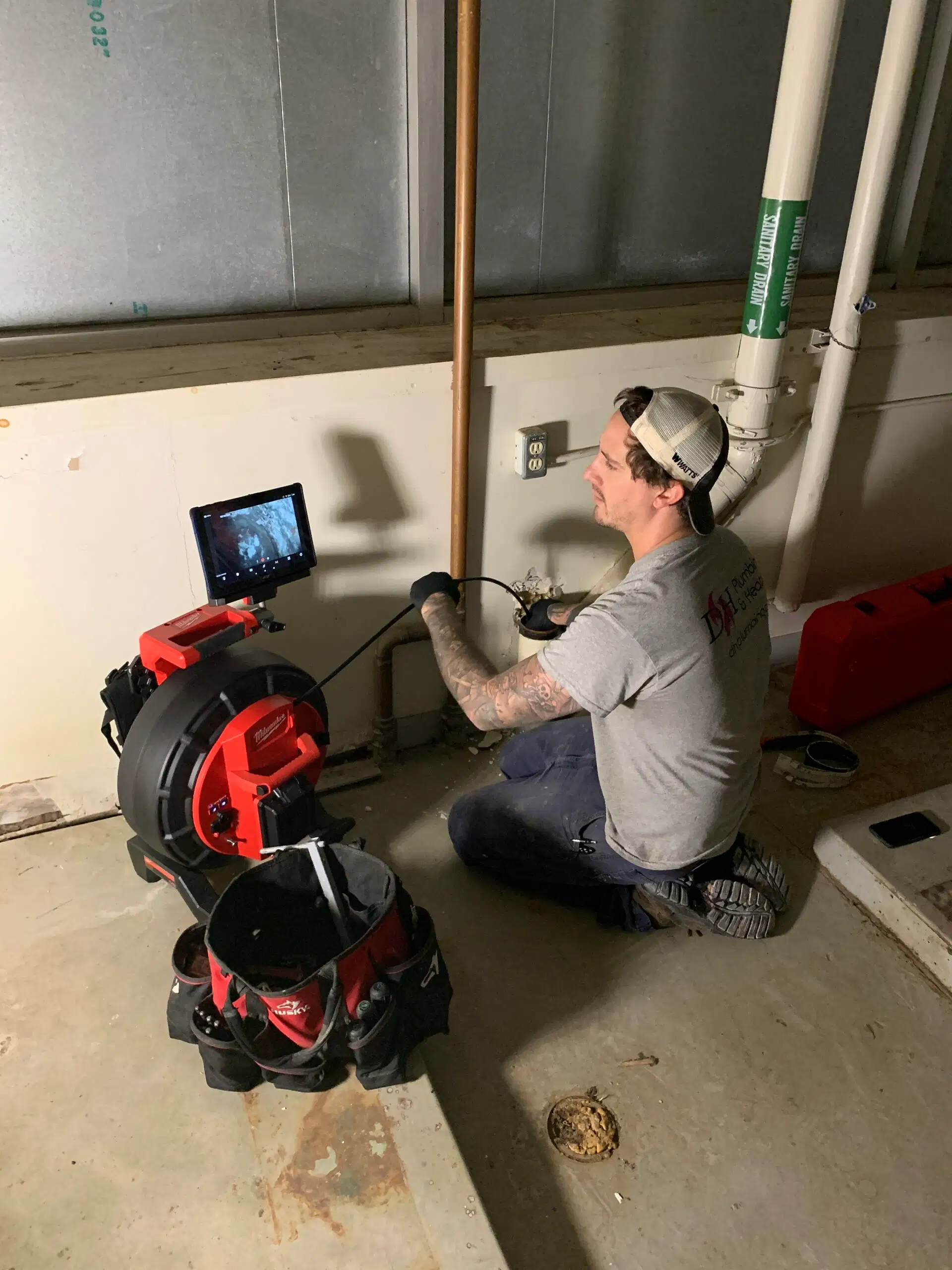
- Sewer and Drain Lines: The spring thaw can also overwhelm municipal sewer systems and your home's main drain line, especially in older Ottawa neighbourhoods. If you've experienced slow drains or backups in the past, now is the time for a preventative cleaning. A blockage in your main sewer line can cause a messy and hazardous sewage backup. Our team can help with professional drain and sewer services to ensure everything is flowing freely.
Adding a Layer of Security: Backwater Valves
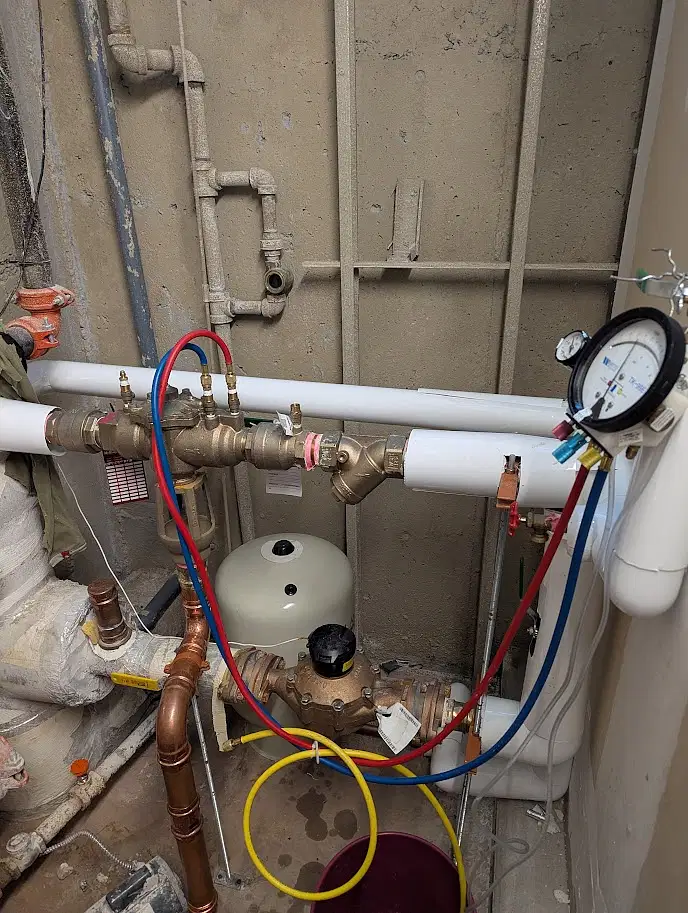
During extreme rainfall events, the city's storm sewers can become overwhelmed and surcharge, forcing water and sewage to flow backward up your home's sewer lateral. A backwater valve is a device installed on your sewer line that acts as a one-way gate, allowing sewage to flow out but automatically closing to prevent it from flowing back in. It's a powerful tool for preventing a devastating basement flood.
The City of Ottawa has, in the past, offered rebates to homeowners for installing protective plumbing devices like backwater valves through its Residential Protective Plumbing Program (RPPP). We recommend checking the city's official website for the most current information on program availability and eligibility requirements. Professional installation and regular maintenance are essential for these devices to function correctly. If you're considering this upgrade, our licensed plumbers can assess your home's needs and provide expert backflow prevention installation.
Don't Wait for a Disaster
Being proactive is the best strategy for protecting your home from water damage this spring. By taking a few hours to inspect your home's defenses, you can save yourself from the enormous cost and headache of a flooded basement. Remember the key steps: test your sump pump, clear your gutters and drains, and consider installing a backwater valve for ultimate protection.
If you're unsure about any of these steps or discover a problem that needs professional attention, don't hesitate to reach out. Whether you need a sump pump inspection, drain cleaning, or are facing a sudden leak, the DH Plumbing & Heating team is here to help our neighbours across Ottawa. We offer comprehensive plumbing services, including 24/7 emergency plumbing services, to give you peace of mind. Contact us today to schedule a pre-thaw inspection and ensure your home is ready for whatever the season brings.